Your child is growing up and growing outward — that’s the job. But growing up doesn’t have to mean growing apart. The guides below are organized by what connection looks like at this stage: the conversations, the closed-door seasons, the small everyday moments, and the wider family circle — so you can stay close to your child on purpose, not by accident.
The talks don’t have to be perfect — they just have to keep happening. Start here for words that open your child up instead of shutting them down: listening that lands, hard conversations without the blow-up, and getting through without nagging.
How to say it so your child actually hears you — and wants to keep talking.
A short, practical rundown of communication techniques that keep conversations with your child open.
Talking with your teenager so the conversation goes somewhere, with author Maria Gallucci.
12 tips for talking to kids at any age — the foundations of conversations that connect.
Tips for the hard conversations with teenagers — the ones you can’t skip and don’t want to botch.
Why your teenager tunes you out, and how to say it so they listen the first time.
Get your teen to listen so you can stop nagging — the same request, said in a way that works.
Underneath the attitude, what your teen is really asking you — and how to answer the real question.
When your child gives you the silent treatment, what’s really going on — and how to reopen the door.
How to break bad news to your child with honesty and calm, at any age.
The 5 conflict languages: how you and your child each handle disagreement, and how to meet in the middle.
Working through family conflict so it brings you closer instead of driving wedges.
The closed door and the one-word answers are a stage, not a verdict. These posts help you stay steady, keep the door open, and rebuild closeness at your child’s pace — without chasing or giving up.
Your son or daughter feels far away — here’s how to reconnect, step by step.
When your child says “I don’t need you anymore” — what it means, and how to stay close anyway.
Why your teenager is mean to you — and how to respond without taking the bait or the blame.
Tips for surviving a teenage daughter — and coming out the other side still close.
Why trusting your child feels so hard, and how to build trust in both directions.
Why a personal space of their own matters to your child — and how respecting it builds trust.
When the other parent gatekeeps or undermines your relationship with your kids — how to protect the bond.
Closeness is built in ordinary moments — dinner, a shared book, a trip, ten minutes in the garden. Small, repeatable rituals do more for your relationship than one big talk ever will.
Make dinner time easy, quick, and fun — and turn the table into daily connection time.
Books for bonding and learning: reading together as an easy, repeatable way to connect.
Creating a vacation even your teenager will love — family time they’ll actually join in on.
Improve your relationship with your child through gardening — side-by-side time that grows more than plants.
Why you need weekly family meetings — a small ritual that keeps everyone talking.
Dear Daughter: a personal letter from Kristina — connection, in her own words to her own child.
Resolutions that cultivate a better relationship with your kids — connection goals worth keeping.
The five love languages, translated for teenagers: how to love your teen in the way they receive it.
Connection gets easier when you can see the need underneath the behavior. These posts cover what children actually need from you, how expectations help or hurt, and how your child best receives love.
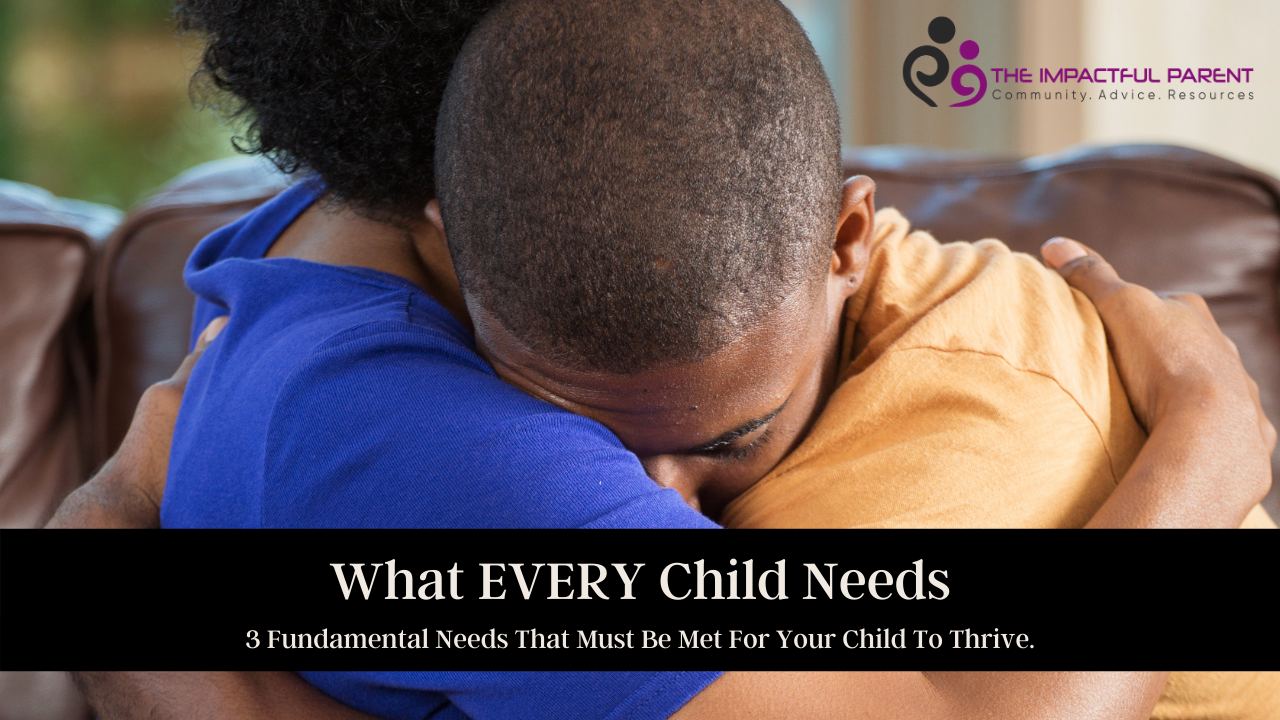
What children need most from their parents — the fundamentals underneath every strong relationship.
Children’s 3 primary needs — and how meeting them changes everything else.
The Needs Languages: how your child asks for what they need, in the language they actually speak.
Building connection when expectations get in the way — seeing your child as they are.
Parenting expectations: which ones help your relationship and which ones quietly hurt it.
Connection: which comes first, my child or me? Finding the order that keeps the bond strong.
Building relationships without judgment and labeling — seeing your child clearly is the first connection skill.
3 things you need for a good relationship with your child — simple, and not always easy.
Your child isn’t the only relationship in the house. For the co-parent who undermines, the grandparents and in-laws who mean well (or don’t), and making peace after a rupture — start here.
When one parent undermines the other — protecting the united front.
Why good dads retreat — and how mothers can help them step back up.
Grandparents are important too: making room for the wider circle in your child’s life.
Grandparents don’t have rights — what that means for boundaries and your child’s relationships.
The 6 types of in-laws that drive you crazy — and how to keep the peace without losing yourself.
How to mend a relationship after it’s been strained — repair is a skill, and it can be learned.
Every post above has a matching video inside The Impactful Parent app, where you can also talk it through with other parents in the community. Download the app free and keep these ideas in your pocket for the moments that catch you off guard.
New here? Start with the free app — the whole video library and our parent community are free.