Worry comes with the job — but you don’t have to carry it without a map. Whether your child is anxious, withdrawn, struggling with food or big feelings, or you’re simply wondering what’s normal and what’s not, the guides below help you understand what you’re seeing and decide your next step with confidence.
Anxiety is the loudest worry in most homes — the stomach aches before school, the what-ifs at bedtime, the teen who can’t switch off. Start here to understand what anxiety actually looks like at every age, how it differs from everyday stress, and the practical ways you can help your child feel steadier.
Start here: what anxiety looks like in teenagers, why it shows up the way it does, and how to respond.
Practical first steps to help an anxious child feel safe, understood, and capable.
Helping anxious children with three simple, steady tips you can start today.
How to tell the difference between stress and anxiety — because the right response depends on which one you’re seeing.
Five practical ways to lower anxiety at home, for your child and for you.
Monsters, the dark, and big worries in little kids: how to help young children through their fears.
When the darker months drag your child’s mood down: spotting seasonal affective disorder and helping them through it.
A clear-eyed look at teen anxiety and depression — and the surprising everyday habits that feed them.
When custody schedules stir up your own anxiety: steadying yourself so you can steady your kids.
Why noticing what your kids do right is good for their confidence — and your mental health too.
Some seasons are heavier than others. If your child has gone quiet, pulled away, or you’re worried about self-harm, these guides help you spot the warning signs early, start the conversation, and support your child while you line up the right help. You know your child — and noticing early is how you help.
Start here: the myths about teen self-harm, separated from the reality parents need to know.
The warning signs of self-harm and cutting, what to look for, and how to support your child.
Why kids turn pain inward — and how really listening becomes your first way to help.
Know the signs and the steps: how parents can help prevent suicide and get support in place.
A father’s honest story of his son’s struggle — and what their family learned.
One young man’s story, told so other families can see the signs sooner.
When low mood and drug use show up together: what to look for and where to start.
When your teenager withdraws from everyone: understanding isolation and gently reopening the door.
How family trauma echoes into everyday life — and how healing starts at home.
First heartbreak hits hard. Five ways to help your teen through it without dismissing it.
A strong mind isn’t something kids are simply born with — it’s built, one hard moment at a time. These guides cover emotional intelligence, the thinking traps that trip kids up, better sleep, and raising children who can bend without breaking.
Why emotional intelligence matters as much as grades — and how to grow it in your child.
The thinking traps that turn small setbacks into big spirals — and how to help your child spot them.
The 7 Cs framework for raising kids who cope, recover, and try again.
Everyday ways to build resilience — without over-protecting your child out of the lessons that teach it.
When love crowds a child: recognizing emotional suffocation and giving your child room to breathe.
Sleep powers mood, focus, and coping. Practical help for kids who can’t settle or stay asleep.
Why time together in the kitchen is quietly powerful for your child’s mental health.
Getting the most from your child’s care team: how to partner with doctors and therapists well.
A steadier way to think about medication decisions for your child — with your care team, not by trial and error.
A parent-friendly tour of how your child’s brain works — and why it explains so much of their behavior.
Supporting memory, focus, and follow-through: helping kids whose brains process the world differently.
Food, bodies, and senses are where a lot of mental-health worries quietly live — picky eating that escalates, diet talk at the table, a child who collects, repeats, or can’t tolerate certain sensations. These guides help you tell a phase from a pattern, and respond in ways that keep trust intact.
When picky eating crosses into ARFID: the signs, and how to get help.
Eating-disorder prevention starts with the messages at home — here’s where to begin.
Practical prevention: the habits and conversations that protect kids around food and body image.
When feelings drive eating: understanding emotional eating and helping your child find other outlets.
The podcast conversation on emotional eating: why it happens and what helps.
Your child is watching your relationship with food. What your dieting teaches them — and what to model instead.
How to talk about weight and health with your teen without shame doing the talking.
When every meal takes forever and teachers are frustrated: understanding the slow eater.
Realistic ways to shift your child’s eating toward healthier — without turning meals into battles.
Vegetable standoffs, solved gently: getting more greens in without the nightly fight.
For parents of picky eaters: why kids complain, and how to keep mealtimes sane.
A calm, practical approach to the Halloween candy haul.
Movement is medicine for mood: simple ways to get the whole family active together.
Hair pulling and skin picking: why kids do it, and how to help them stop.
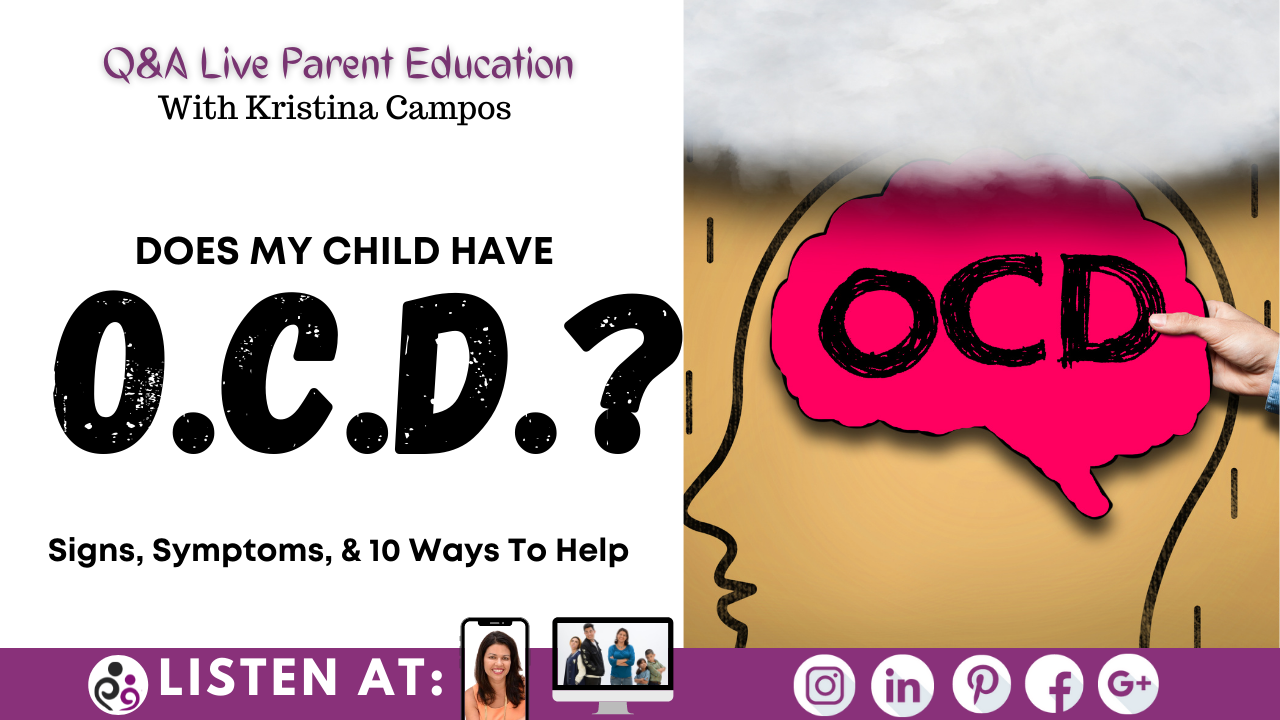
The signs of OCD in children, how it differs from ordinary worries and routines, and next steps.
When collecting becomes hoarding: the signs, the causes, and gentle steps to help.
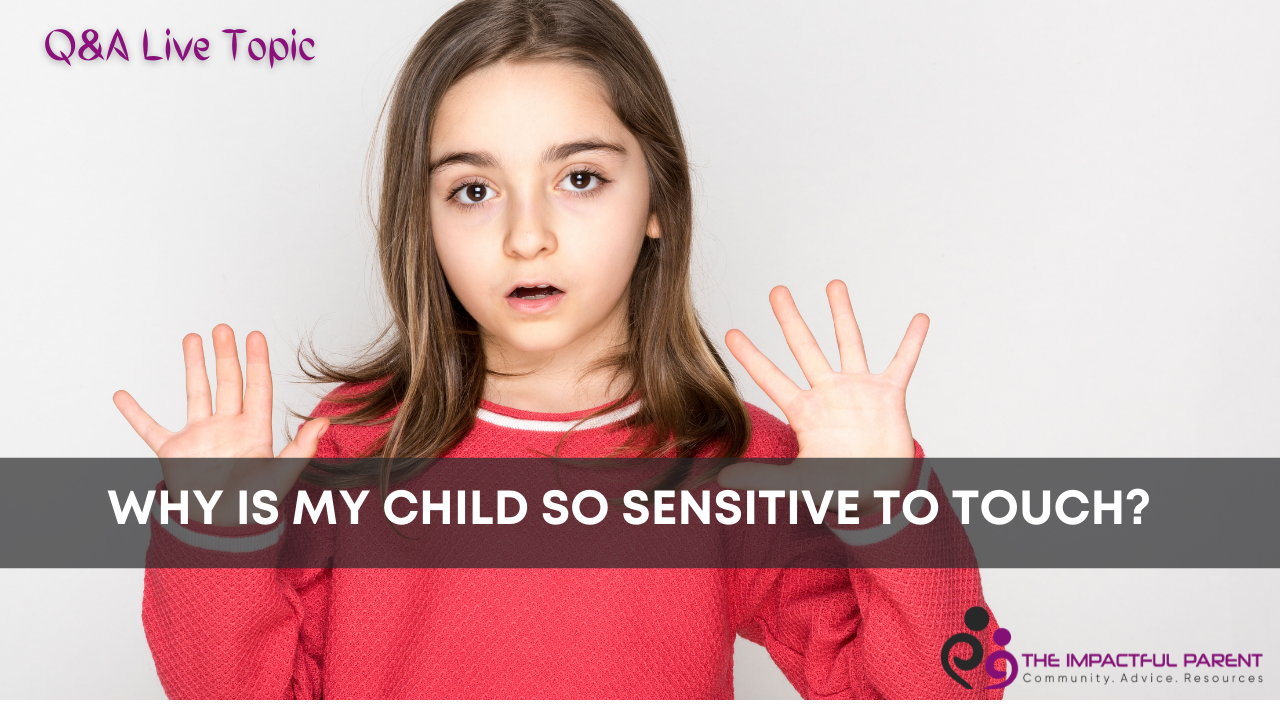
When tags, textures, and touch overwhelm your child: understanding sensory sensitivities.
Late talking and communication concerns: what’s typical, what to watch, and when to ask for help.
Every video on this page — and hundreds more — lives inside The Impactful Parent app, organized by the same topics you’ve been reading about. The app is free to download, the entire video library is free, and our parent community of school-age and teen parents is free too.
New here? Start with the free app — the whole video library and our parent community are free.