School is where your child spends most of their waking life — and where a lot of home stress is born, from homework battles to conference-day nerves. The guides below are organized by what you’re facing right now: choosing and settling into a school, ending the homework fight, partnering with teachers, or supporting a child who learns differently — so you can walk into every school day, and every school meeting, prepared.
Before the homework and the meetings, there are the big questions: what is school actually for, is this the right school, and what should you expect at each new stage? Start here for the lay of the land.
If most of what kids “learn” is forgotten by summer, what is school actually for? A big-picture look at what education is really supposed to give your child.
The move from elementary to middle school is bigger than most parents realize: the main differences, where kids struggle most, and how to support your child through it.
A school counselor’s simple moves for easier mornings, smoother weekly routines, and a better connection with your child from day one.
No textbooks, more creativity, room to think for themselves: how the Waldorf method works — and how to use its ideas at home or in a Waldorf school.
The homework hour doesn’t have to end in tears — theirs or yours. Why kids stall, how to respond so the work actually gets done, and how to set up a homework routine that works for everyone.
Five tips for a more productive homework hour, fewer meltdowns, and less fighting — from tutoring founder Zoie Hoffman.
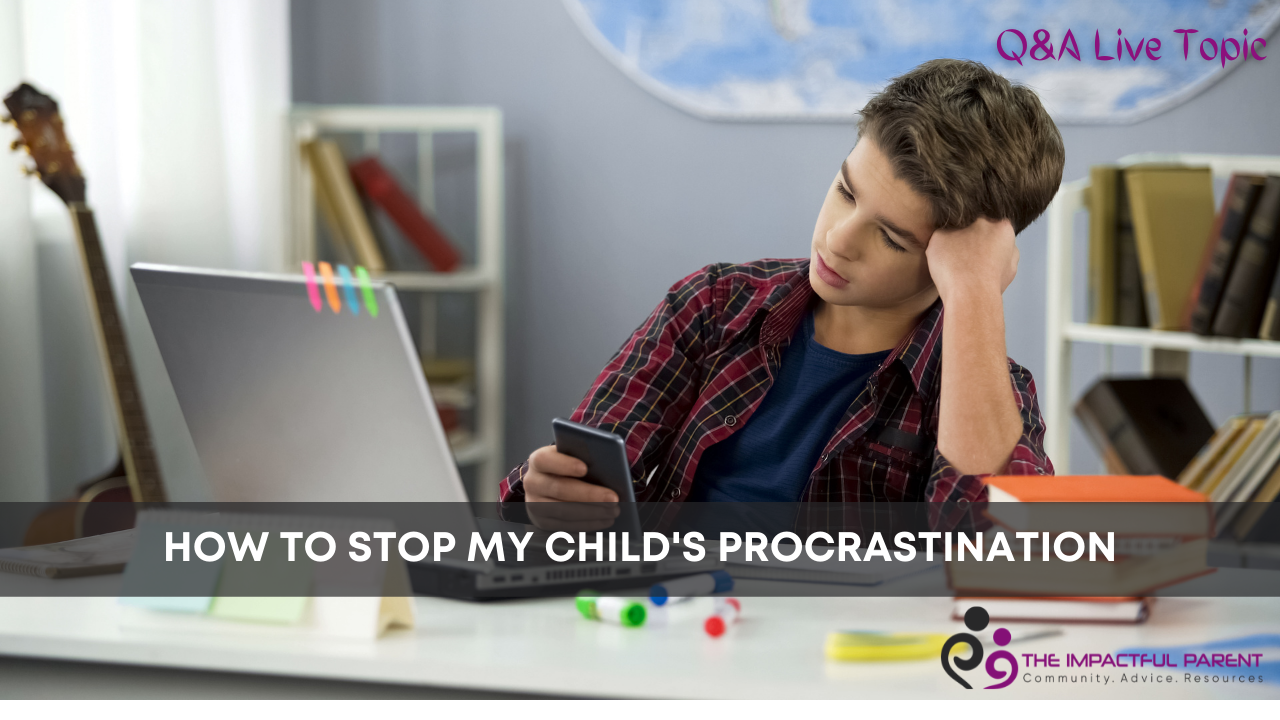
Why your child drags their feet matters more than the dragging: 7 reasons kids procrastinate, and 7 ways to respond so they stop.
Teachers and schools can be your strongest allies — if you know how to approach them. Conference questions, hard conversations, advocating without friction, and the paperwork that protects your child.
What to ask, what to listen for, and whether you can ever skip one: Kristina’s answers to the conference questions parents ask most.
How to communicate with teachers, have the hard conversations, and advocate for your child without becoming “that parent” — with expert Kelley Coleman.
Those forms you sign every fall actually matter: what FERPA is, what rights it gives you, and what the paperwork really means.
Every child learns in their own way. Reading help for reluctant readers, what actually works for dyslexic kids and kids with ADHD, learning tools worth your time, and a first look at the college-application road ahead.
Got a reluctant reader? Author Ramon Gil makes the case for graphic novels as the bridge that gets kids reading — and asking for more books.
Developmental psychologist Dr. Claire Rubman shares tips and tricks for building better reading comprehension at every age.
Kristina’s own journey parenting her dyslexic son — no sugarcoating — plus the tips and resources she wishes she’d had at the start.
Dyslexic kids face extra hurdles when learning moves home: why they struggle, and the tips and websites that help them succeed.
Practical tips for helping your child with ADHD be their best self — plus a free ADHD care-plan e-book — from behavioral pediatrician Nerissa Bauer.
Apps your kids will actually love: math and coding picks reviewed by kids themselves, with edtech reviewer Karolina Throssell.
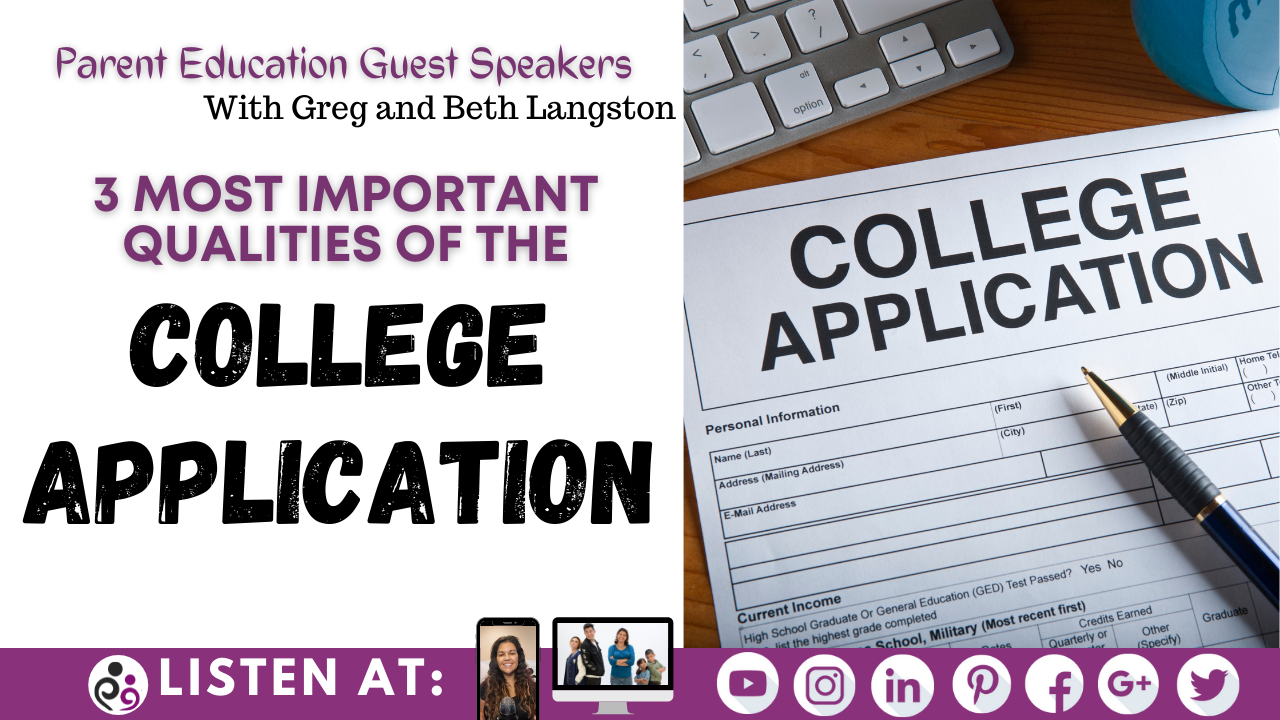
What do admissions officers actually look for? College Flight Plan’s Beth and Greg Langston on the 3 qualities that help an application stand out.
Every post above has a matching video inside The Impactful Parent app, where you can also talk it through with other parents in the community. Download the app free and keep these ideas in your pocket for the moments that catch you off guard.
New here? Start with the free app — the whole video library and our parent community are free.